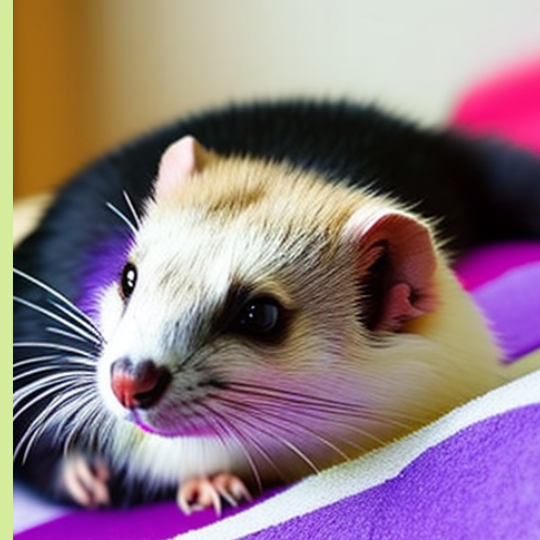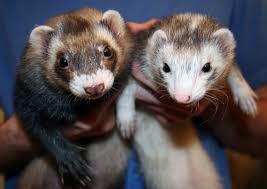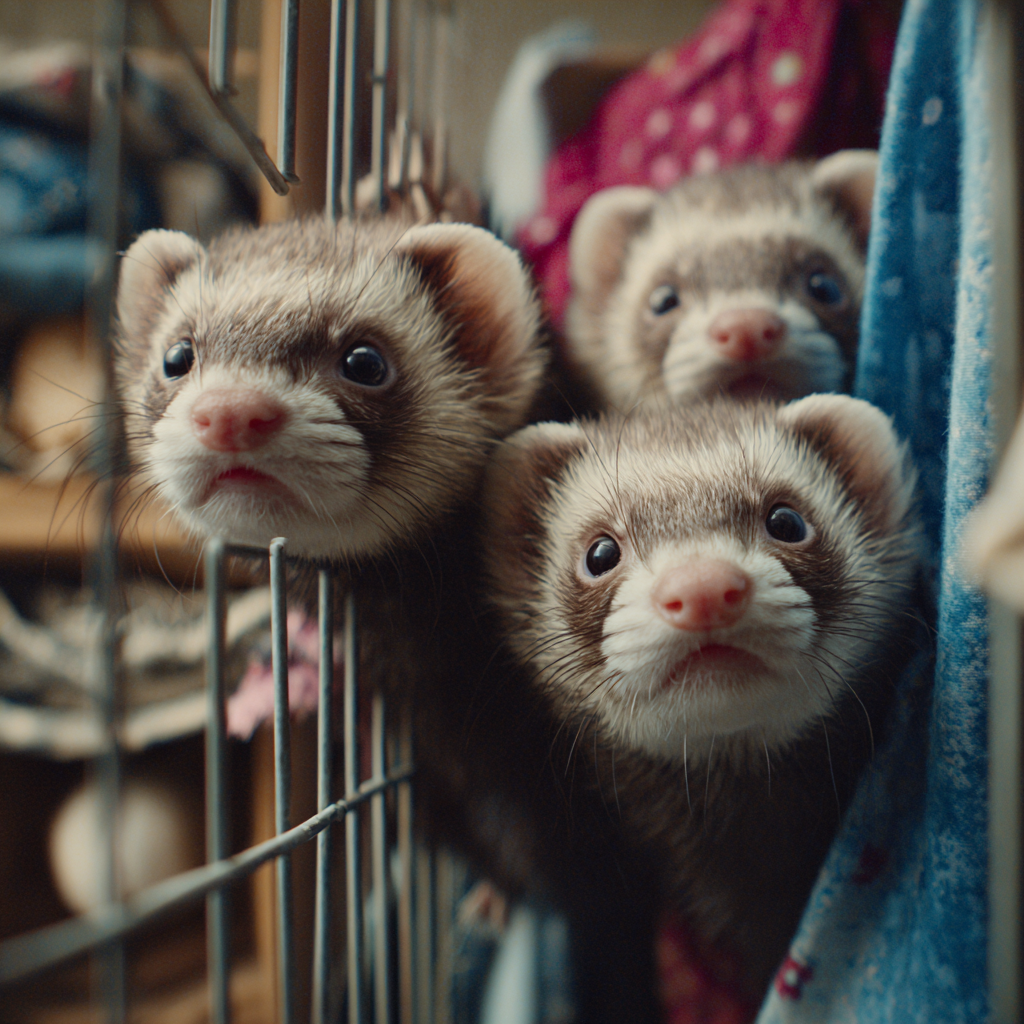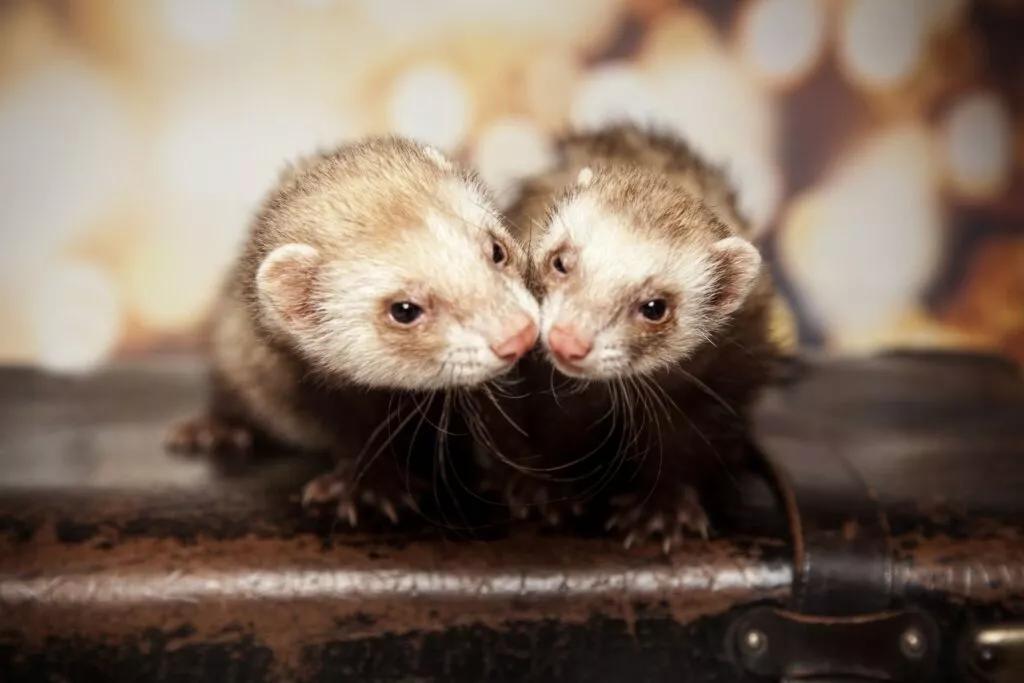

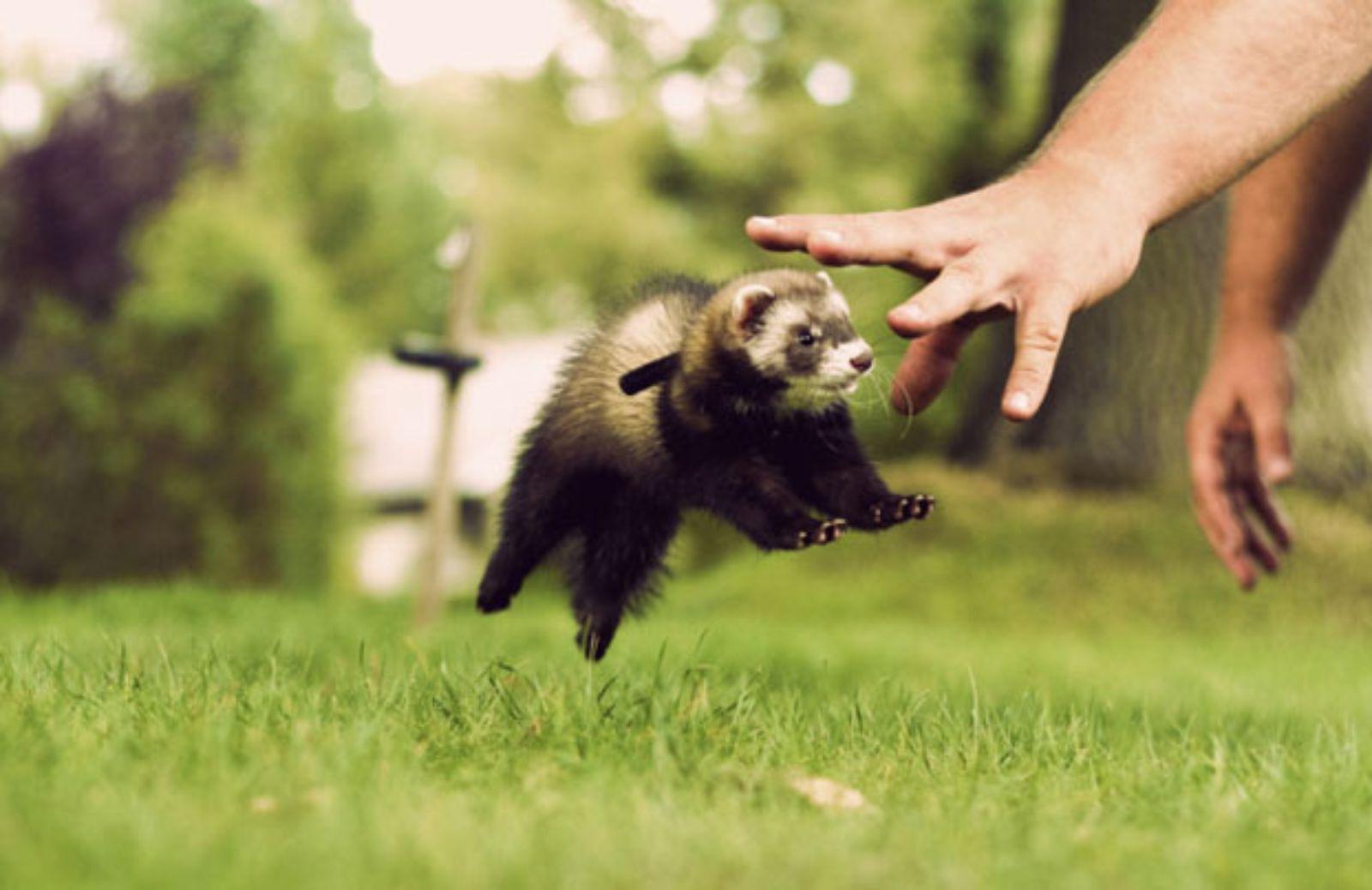
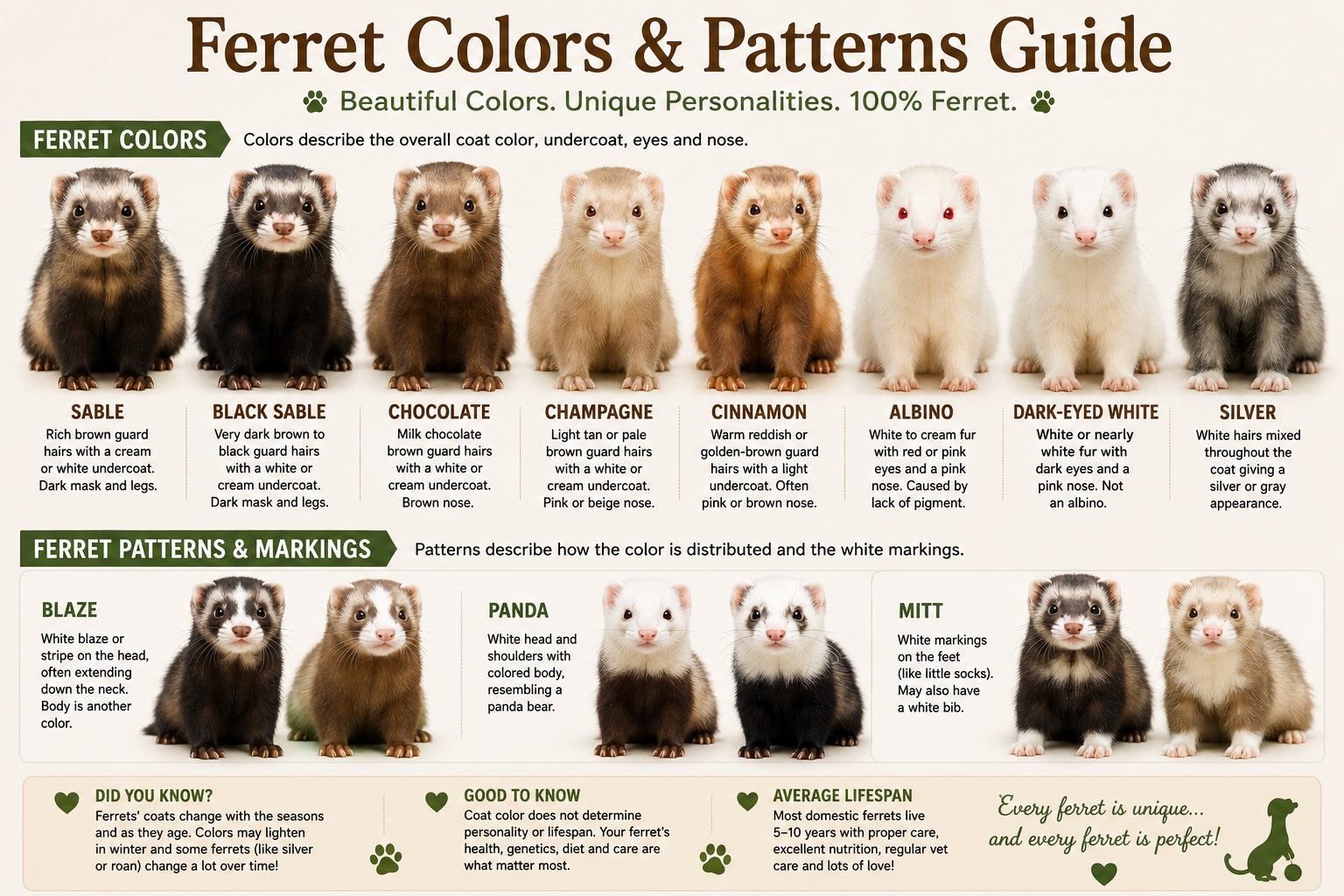
One of the fun things about ferrets is just how different they can look.
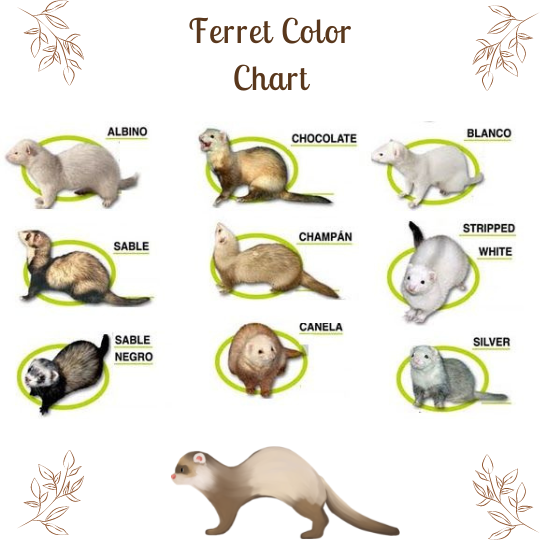
While many people picture the classic brown ferret with a dark mask, domestic ferrets actually come in a wonderful variety of colors and patterns—from rich sable and chocolate to champagne, silver and pure white.
And then there are the markings. Some ferrets have mitts that look like tiny white socks. Others have bibs, blazes or panda-like white heads.
If you’ve ever wondered “What color is my ferret?”, this guide will help you identify some of the most common ferret colors and patterns.
Ferret Color vs. Ferret Pattern — What’s the Difference?
Before looking at individual ferrets, it helps to understand an important distinction.
A ferret’s color describes the basic color of its coat, undercoat, eyes and nose.
Examples include:
- Sable
- Black sable
- Black
- Chocolate
- Champagne
- Cinnamon
- Albino
- Dark-eyed white
A pattern or marking describes how those colors are distributed across the ferret’s body.
Examples include:
- Standard
- Solid
- Roan
- Mitt
- Blaze
- Panda
- Bib
- Mask
That means a ferret can have both a color and a pattern.
For example, you might have a sable ferret with mitts or a silver ferret with a blaze.
1. Sable Ferret
The sable is the classic ferret color and probably what most people picture when they think of a pet ferret.
Sable ferrets typically have rich brown guard hairs over a lighter cream-colored undercoat.
Their legs and tail are generally darker, and many have the familiar dark mask around the eyes.
The contrast between the light undercoat and darker guard hairs gives the sable ferret its beautiful traditional appearance.
2. Black Sable Ferret
Black sable ferrets are considerably darker than standard sables.
Their guard hairs range from very dark brown to nearly black, while the undercoat is generally white or cream.
The nose is usually quite dark as well.
At first glance, a black sable can sometimes look almost black, particularly in photographs or darker lighting.
3. Black Ferret
Black ferrets have predominantly black guard hairs with a lighter undercoat.
The overall appearance should be considerably darker than a standard sable.
A true black ferret can be particularly striking because of the contrast between its dark coat and lighter undercoat.
4. Chocolate Ferret
Chocolate ferrets have warm milk-chocolate-colored guard hairs rather than the much darker brown or black coloration seen in sable ferrets.
Their undercoat is generally white or cream.
The overall effect is softer and lighter than a sable, with beautiful warm brown tones.
5. Champagne Ferret
Champagne ferrets are lighter still.
Their guard hairs typically range from tan to diluted chocolate, while their undercoat is white or cream.
They often have light-colored eyes and a pink or beige-toned nose.
Champagne ferrets have a soft, pale appearance that makes them fairly easy to distinguish from darker sable varieties.
6. Cinnamon Ferret
Cinnamon is one of the more unusual ferret colors.
Instead of chocolate-brown tones, cinnamon ferrets have warmer reddish or golden-brown guard hairs over a lighter undercoat.
The overall coat can have a distinctly warm or reddish cast.
Cinnamon coloration can sometimes be confused with champagne, particularly in photographs, so looking at the overall warmth and depth of the coat can help.
7. Albino Ferret
Albino ferrets are unmistakable.
They have:
- White to cream-colored fur
- Pink or red eyes
- A pink nose
Albino isn’t simply another white coat pattern. Albinism results from a lack of pigment, which is why the eyes appear pink or red.
Despite their distinctive appearance, albino ferrets have the same wonderful range of personalities as other ferrets.
8. Dark-Eyed White Ferret
A dark-eyed white, commonly abbreviated DEW, can look similar to an albino at first.
The easiest difference to spot is the eyes.
A dark-eyed white ferret has white or nearly white fur but dark-colored eyes rather than the pink/red eyes of an albino.
Its nose is usually pink.
This is an important distinction because a white ferret isn’t automatically an albino.
Common Ferret Patterns and Markings
Color is only half the fun.
Ferrets can also have distinctive patterns and white markings that dramatically change their appearance.
Blaze Ferret
A blaze ferret has a prominent white stripe—or “blaze”—running from the forehead toward the back of the head and neck.
The remainder of the body may display another ferret color.
The blaze is therefore a pattern, not a separate ferret color.
Panda Ferret
Panda ferrets typically have a largely white head extending toward the shoulders, creating the distinctive appearance that inspired the name.
The body retains more color.
Like blaze, panda describes a pattern rather than the underlying coat color.
Mitt Ferret
Mitt ferrets look as though someone gave them tiny white socks.
White markings appear on the feet while the remainder of the legs and body retain the primary coat color.
Some mitt ferrets also have a white bib on the chest.
Roan and Silver Ferrets
Roan refers to a mixture of white hairs scattered throughout the colored coat.
When this occurs extensively on a darker ferret, the overall appearance can become beautifully silver or gray.
An interesting thing about silver and roan ferrets is that their appearance may change considerably as they age.
Some become progressively lighter over time.
Ferret Masks
The classic ferret “mask” is another marking many owners recognize immediately.
A full mask creates darker coloration around the eyes, giving the ferret its familiar little bandit appearance.
Masks can become lighter or darker as coats change.
Why Does My Ferret’s Color Keep Changing?
This surprises many new ferret owners:
Your ferret may not look exactly the same throughout its life—or even throughout the year.
Ferrets normally go through seasonal coat changes. The winter coat can look different in thickness, shade and overall appearance from the summer coat.
Age can also affect coloration.
Some ferrets become lighter as they grow older, and silver or roan ferrets may change particularly dramatically.
So don’t be surprised if photographs of the same ferret taken several years apart look surprisingly different.
That’s part of what makes ferret coloration so interesting.
Does a Ferret’s Color Affect Its Personality?
You may hear ferret owners joking that a certain color is more mischievous, cuddly or energetic.
It’s fun to compare experiences, but coat color isn’t a reliable way to predict a ferret’s personality.
Individual ferrets have wonderfully different temperaments regardless of color.
There is, however, an important health consideration associated with certain white-patterned ferrets. Blaze and panda patterns have been associated with a higher incidence of congenital deafness related to Waardenburg-like traits.
That doesn’t mean every blaze or panda ferret is deaf.
Many live perfectly happy lives whether they hear normally, have reduced hearing or are deaf.
Does Ferret Color Affect Lifespan?
There isn’t a separate normal lifespan for sable, champagne, cinnamon or black ferrets simply because of their coat color.
A ferret’s longevity is much more influenced by factors such as:
- Genetics
- Nutrition
- Veterinary care
- Environment
- Disease
- Overall health
Rather than choosing a ferret based on a supposed lifespan associated with a particular color, concentrate on the health and care of the individual animal.
What Color Is Your Ferret?
Sometimes identifying a ferret’s exact color is surprisingly difficult.
Lighting can change how the coat appears in photographs. Seasonal coats change. Young ferrets may change as they mature, and older ferrets can become lighter.
That’s part of the fun.
Whether your ferret is a classic sable, beautiful champagne, snowy dark-eyed white, striking silver or something that’s difficult to categorize, the coat is only one small part of what makes each ferret unique.
After all, ferret owners quickly discover that the personality underneath that beautiful coat is usually the most colorful part of all.
Updated August 2026. Ferret coat terminology can vary somewhat among breeders, organizations and ferret owners.