
 Moving With Ferrets: How to Help Your Ferret Adjust to a New Home
You’ve packed the boxes, loaded the car and finally arrived at your new home.
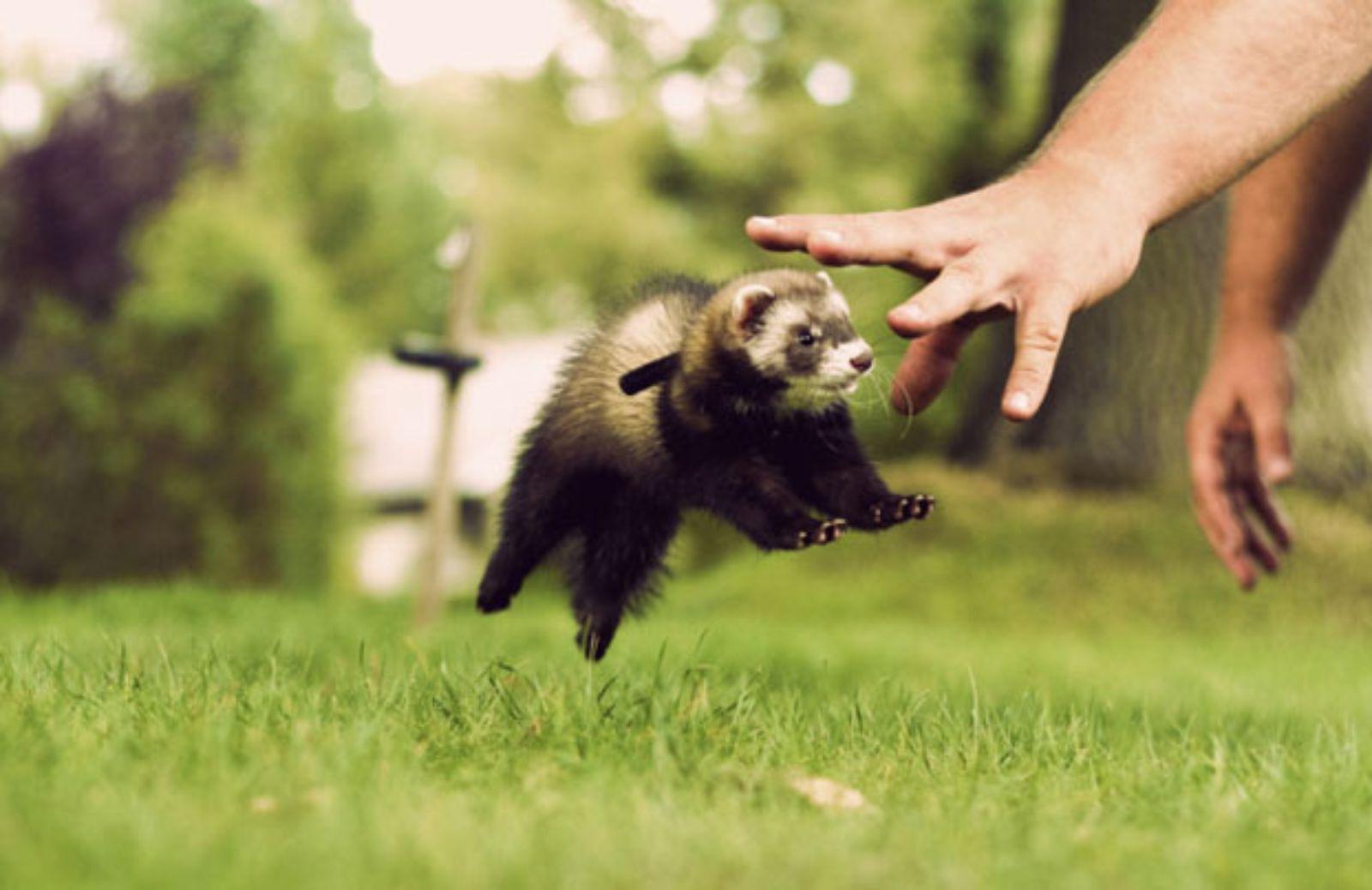
Your ferret, meanwhile, has just discovered an entirely new world that must be investigated immediately.
New rooms. New smells. New hiding places. New sounds. And probably at least one tiny opening you didn’t notice when you ferret-proofed the house.
Moving can be exciting for people, but what is it like for a ferret?
Ferrets are naturally curious and many will enthusiastically explore a new home. At the same time, they become accustomed to familiar routines, bedding, people, other ferrets and surroundings. Travel and a sudden environmental change can temporarily affect their behavior.
Fortunately, there are several simple things you can do to make moving day—and the first few days afterward—safer and easier.
Do Ferrets Get Stressed When You Move?
They can.
Every ferret is different. One may come out of the carrier ready to investigate every square inch of the new house, while another may initially prefer the security of a familiar hammock.
Changes you might notice around a move include:
- Sleeping more than usual
- Hiding
- Being unusually clingy
- Restlessness
- Changes in litter-box habits
- Eating or drinking differently
- Becoming more vocal or quiet
- Temporary changes in stool
- Increased nipping or irritability
Some ferrets settle in remarkably quickly. Others need more time.
The important thing is to distinguish a temporary behavioral change from signs that your ferret may actually be sick.
Don’t automatically assume significant lethargy, repeated diarrhea, vomiting, difficulty breathing, weakness or refusal to eat is simply “moving stress.” Contact a veterinarian experienced with ferrets if you’re concerned about your ferret’s health.
Before the Move: Keep Some Things Smelly!
Moving day probably isn’t the best time to wash every hammock and blanket your ferret owns.
Normally, clean bedding is wonderful.
During a move, however, a favorite blanket that smells like your ferret can be reassuring in an unfamiliar environment.
Bring familiar items such as:
- Hammocks
- Blankets
- Beds
- Favorite toys
- Food and water dishes
- Litter boxes
- The food they’re accustomed to eating
I’d avoid introducing a new food, litter or completely different cage setup at the same time you’re changing homes unless there’s a reason you need to.
One major change at a time is enough.
Traveling Safely With Your Ferret
Your ferret should travel inside a secure, well-ventilated carrier, not loose inside the vehicle.
Even a normally calm ferret can suddenly crawl underneath a seat or interfere with the driver.
Line the carrier with something familiar and comfortable. For longer trips, plan appropriately for food, water and bathroom needs.
Temperature is especially important.
Ferrets do not tolerate excessive heat well. Never leave a ferret unattended in a parked vehicle, even if you think you’ll only be gone for a few minutes.
Make sure the carrier remains well ventilated and out of direct hot sunlight.
Set Up the Ferret Area Before Exploration Begins
If possible, prepare your ferret’s basic living area before turning everyone loose to investigate.
Set up:
- Cage or primary sleeping area
- Hammocks and bedding
- Food
- Fresh water
- Litter boxes
- Familiar toys
Try to arrange things somewhat similarly to the previous home.
Your ferret now has a familiar little “home within the new home.”
Then exploration can begin.
Don’t Give Them the Entire House Immediately
This is particularly important in an unfamiliar house.
You may think you’ve ferret-proofed everything.
Your ferret may disagree.
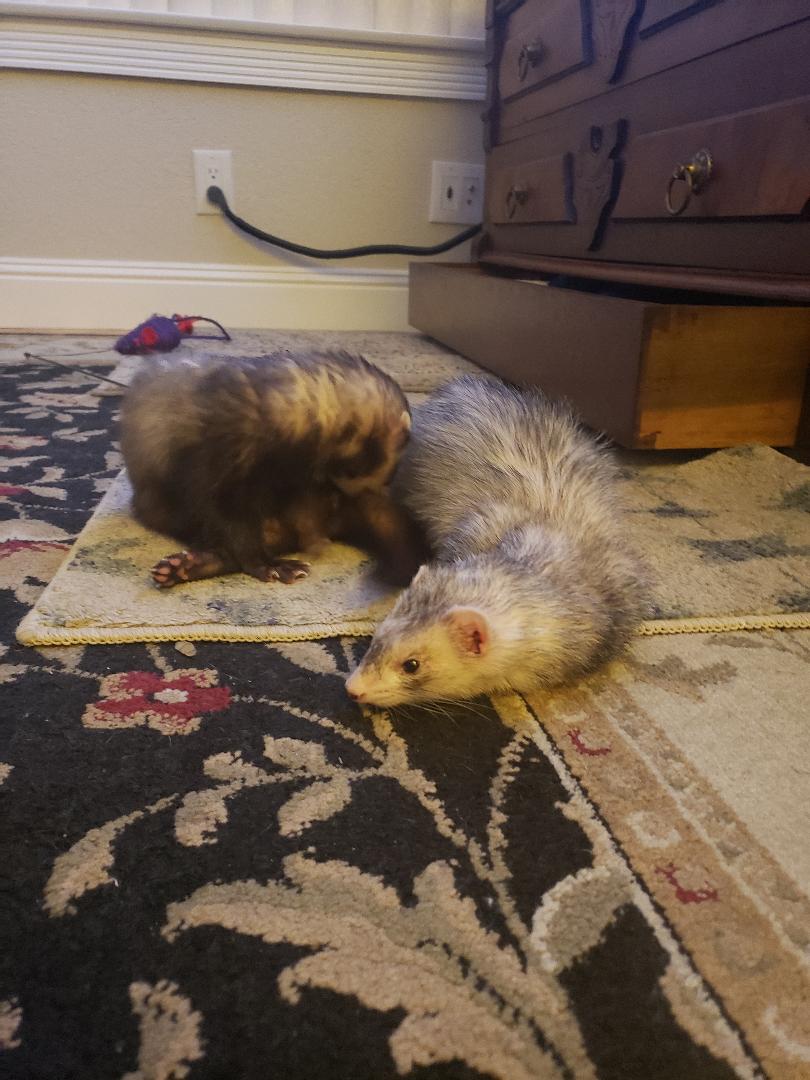
Start with one thoroughly ferret-proofed room or area and supervise exploration.
Watch where your ferret goes.
They’re extraordinarily good at finding:
- Holes underneath cabinets
- Gaps around plumbing
- Spaces behind appliances
- Openings underneath furniture
- Recliners and sofa mechanisms
- Loose vents
- Screens
- Doors that don’t close completely
- Spaces you were absolutely certain were too small for a ferret
Once you’re confident the first area is secure, gradually introduce additional rooms.
Think of your ferret as your assistant in the ferret-proofing process.
Unfortunately, your assistant’s job is to find every mistake you made.
Keep Their Normal Routine
Amid all the boxes and chaos, try to keep your ferret’s day reasonably predictable.
If they’re normally fed at a certain time, continue that routine.
Keep playtime reasonably consistent.
Use their usual food.
Keep familiar sleeping arrangements.
If you have multiple ferrets who normally live together, keeping the group together can also provide familiarity during the transition.
You may have moved.
Their little ferret family hasn’t.
Give Them Time to Explore
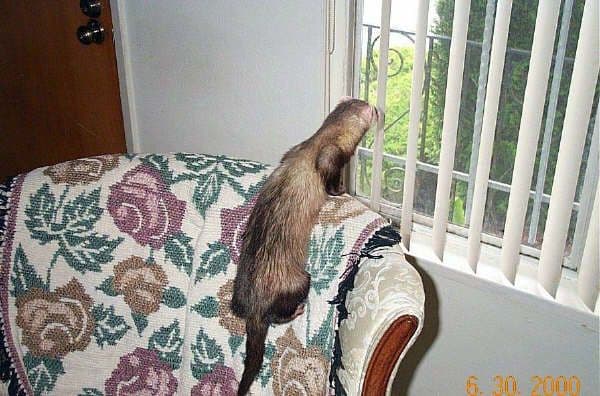
Once you’ve established a safe area, let your ferret investigate at its own pace.
Sniffing every corner is normal.
So is going underneath every object.
And behind every object.
And apparently checking the same corner twelve times.
Exploration helps your ferret become familiar with the scents and layout of its new territory.
You can also make the experience positive by bringing out favorite tunnels, boxes and toys.
Before long, the strange new room starts becoming their room.
Watch Food and Water Intake
Moving day can disrupt everyone’s routine, including your ferret’s.
Pay attention to whether your ferret is eating and drinking normally.
This is particularly important because a ferret who seems sleepy after a move might simply be tired—but a ferret who is lethargic and isn’t eating normally deserves closer attention.
Knowing your ferret’s normal habits makes changes much easier to recognize.
Expect Some Litter-Box Mistakes
Your ferret knew exactly where the bathroom was in the old house.
The new house is another story.
Don’t be surprised by some temporary accidents.
Place litter boxes or pads in obvious corners, particularly corners your ferret begins selecting on its own.
If you have a larger play area, provide multiple bathroom locations.
Sometimes the ferret isn’t forgetting its training.
The bathroom is simply too far away for a creature who has suddenly decided that this particular corner will do just fine.
Moving Between Two Homes
Some ferrets don’t move just once.
They regularly travel between two homes because their owners divide their time between different residences or frequently travel.
Ferrets can potentially become familiar with both environments, particularly when each location becomes predictable.
If your ferrets regularly stay in two homes, I’d make the environments as consistent as practical.
Have familiar items at both locations:
- Similar litter boxes
- Familiar bedding
- The same food
- Water dishes
- Hammocks
- Toys
- Safe sleeping areas
You don’t necessarily need two identical houses full of ferret equipment.
The goal is simply to make each location feel familiar.
The Familiar Blanket Trick
Here’s one of the simplest things you can do.
Bring along a favorite hammock or blanket that already smells like home.
Put it into the sleeping area when you arrive.
You may be tempted to wash everything before traveling because you want to start with nice clean bedding.
Save the laundry for later.
To your ferret, that slightly used blanket doesn’t smell dirty. It smells like home.
What If You Have Several Ferrets?
Moving a bonded group together can have an advantage: they still have each other.
Set up familiar communal sleeping areas and allow them to continue their normal routines together.
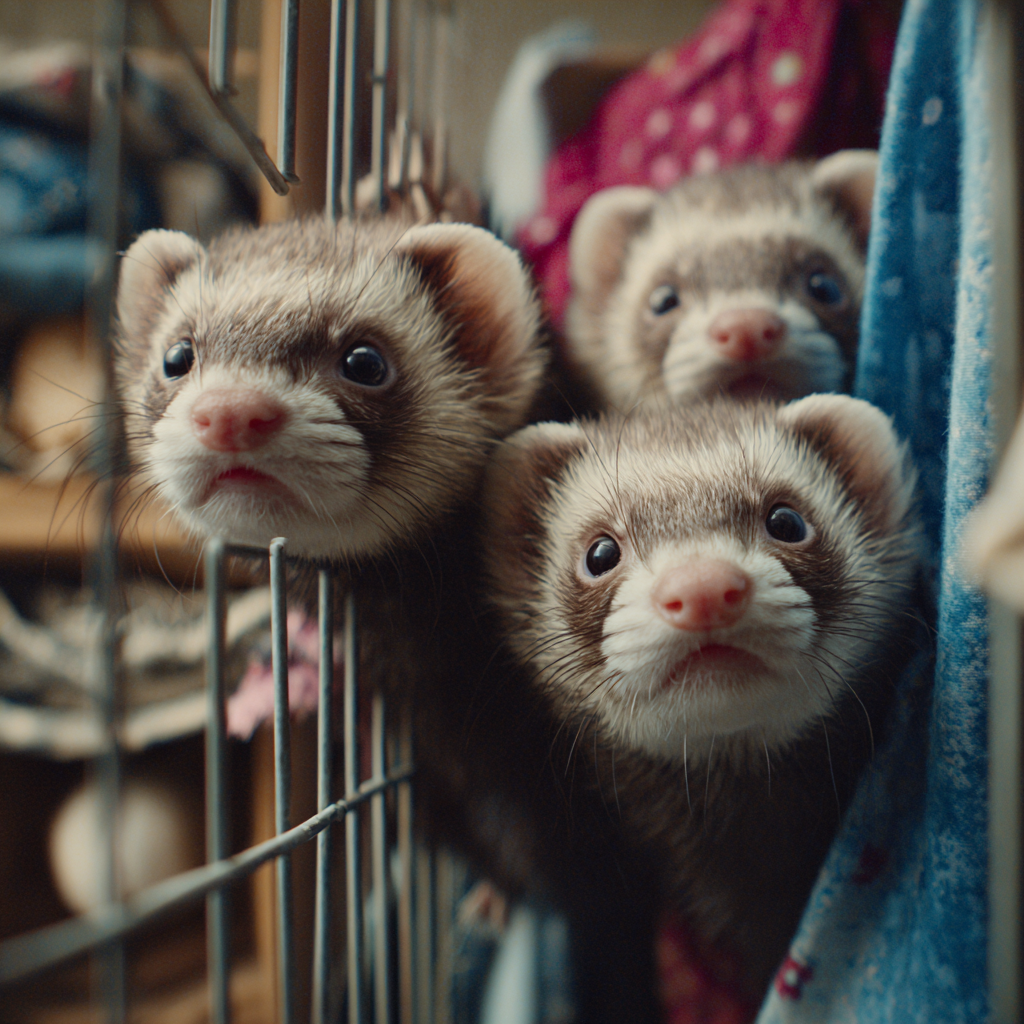
Don’t be surprised if everyone piles into the same hammock after an exhausting afternoon exploring the new house.
There’s something reassuring about waking up in a strange place surrounded by the same furry faces.
How Long Does It Take a Ferret to Adjust?
There’s no exact timetable.
Some ferrets behave as though they’ve owned the new house for years within a few hours.
Others may need several days to become completely comfortable.
Personality, age, previous travel experience and the amount of environmental change can all play a role.
Rather than watching the calendar, watch your ferret.
You want to see normal behaviors returning:
Eating. Playing. Exploring. Sleeping comfortably. Using familiar sleeping areas. Interacting normally with you and other ferrets.
And, of course, getting into things they’re not supposed to.
That last one is usually a pretty good indication that somebody is feeling at home.
A New Home Means New Adventures
Moving with ferrets requires a little extra planning, but it doesn’t have to be frightening or overwhelming for them.
Bring familiar scents.
Keep routines consistent.
Transport them safely.
Start with a small ferret-proofed area.
Watch eating, drinking and behavior.
And give them time to investigate their new surroundings.
Soon the strange new house isn’t strange anymore.
The hammock smells right. The food bowl is where it belongs. The favorite humans are still there.
And your ferret has already located three hiding places you didn’t know existed.
Congratulations. Your new house has officially become a ferret home.
Moving With Ferrets Checklist
Before traveling, remember:
- Secure travel carrier
- Familiar hammock or blanket
- Regular ferret food
- Water and dishes
- Litter and litter box
- Favorite toys
- Any medications
- Veterinary information
- Cleaning supplies
- A safe ferret area ready upon arrival
And perhaps most importantly:
Check every new room from a ferret’s point of view before letting your little explorer loose.
Updated August 2026. This article provides general ferret-care information and isn’t a substitute for veterinary advice. Contact a veterinarian experienced with ferrets if your ferret stops eating, becomes unusually lethargic, vomits, develops persistent diarrhea, has difficulty breathing or shows other concerning symptoms.